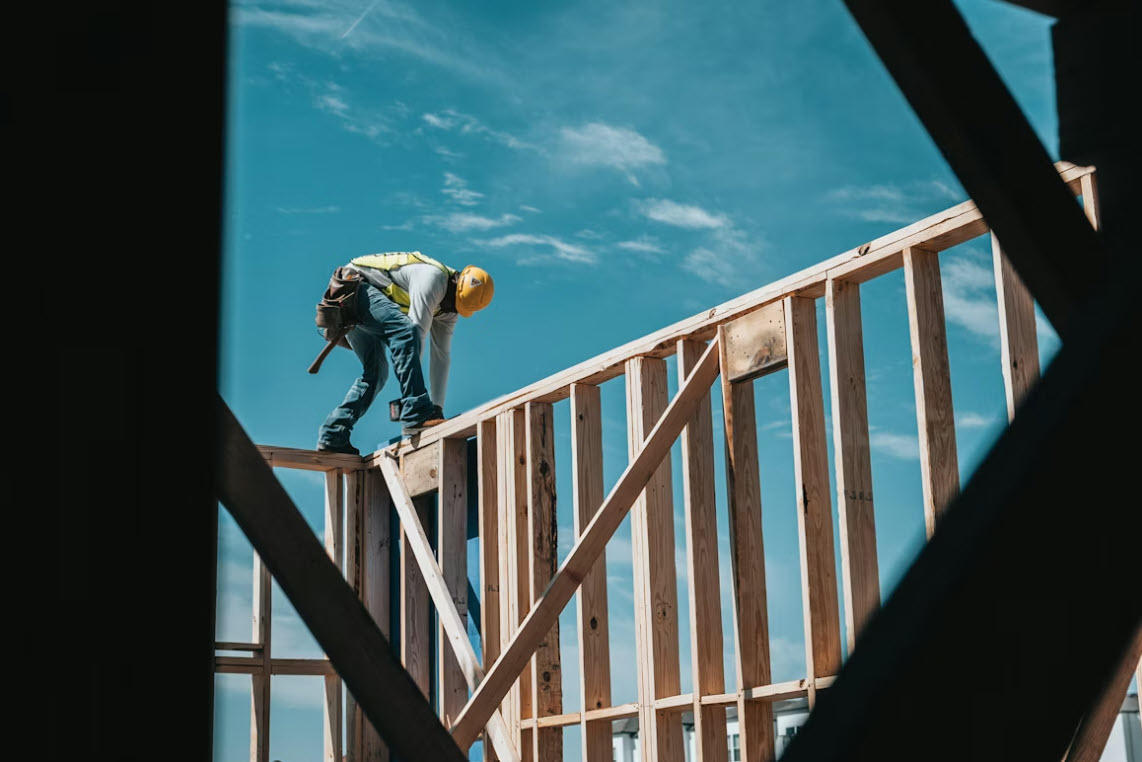
Construction Accident Claims: Rights, Compensation, and What to Do After a Job Site Injury
Construction sites are among the most hazardous workplaces in the country. When safety protocols fail or equipment malfunctions, the consequences can be life changing. If you or someone you love has been hurt in a construction accident, understanding your legal options is an important first step toward financial and physical recovery.
What Is a Construction Accident?
A construction accident is any incident on or around a job site that results in injury or death. These events may involve falls from heights, collapsing structures, heavy machinery, electrical hazards, falling objects, or exposure to toxic substances. While many injuries affect workers directly, pedestrians and nearby drivers can also be harmed.
Why Construction Work Is High Risk
Construction consistently ranks among the most dangerous industries in the United States. Job sites often involve multiple contractors, powerful equipment, elevated surfaces, and tight deadlines. When proper training, supervision, or safety measures are lacking, the risk of serious injury increases significantly.
Common Causes of Construction Accidents
- Falls from scaffolding, roofs, or ladders
- Struck by accidents involving tools, materials, or vehicles
- Electrocution from exposed wiring or live power lines
- Crane, forklift, or heavy equipment failures
- Trench or structural collapses
- Defective tools or safety gear
- Inadequate safety training or supervision
Serious Injuries Often Seen on Job Sites
Construction accidents frequently result in severe or catastrophic injuries that require long term care. These may include:
- Traumatic brain injuries
- Spinal cord damage and paralysis
- Broken bones and crush injuries
- Severe burns and electrocution injuries
- Amputations
- Internal organ damage
- Respiratory illness from hazardous exposure
- Wrongful death
Understanding Your Legal Options
Injured construction workers may have more than one path to compensation depending on how the accident occurred.
Workers Compensation
Most employees are covered by workers compensation insurance. This system typically provides:
- Medical treatment coverage
- Partial wage replacement during recovery
- Permanent disability benefits when applicable
- Vocational retraining in certain cases
Workers compensation does not usually require proof that your employer was negligent. However, strict reporting deadlines and procedural rules apply.
Third Party Personal Injury Claims
If someone other than your employer contributed to the accident such as a subcontractor, equipment manufacturer, property owner, or negligent driver you may be able to file a separate personal injury claim. Unlike workers compensation, these claims can allow recovery for:
- Full lost wages and reduced future earning capacity
- Pain and suffering
- Emotional distress
- Loss of enjoyment of life
- Scarring or disfigurement
Determining whether a third party claim exists often requires a detailed investigation into the cause of the accident.
What Affects the Value of a Construction Accident Claim?
The potential compensation available in a construction accident case depends on several factors including:
- The severity and permanence of your injuries
- The length of your recovery
- Your pre injury income and job duties
- Whether multiple parties share responsibility
- The long term impact on your ability to work
Serious or catastrophic injuries often result in higher claim values because of ongoing medical needs and lost earning potential.
What to Do After a Construction Accident
- Get Immediate Medical Care: Your health comes first. Prompt treatment also creates important documentation.
- Report the Incident: Notify your employer or site supervisor as soon as possible.
- Document the Scene: Take photos, gather witness information, and keep copies of accident reports.
- Preserve Equipment or Evidence: If defective machinery or tools were involved, this may become critical evidence.
- Track All Expenses: Keep records of medical bills, missed workdays, and out of pocket costs.
- Speak With a Qualified Professional: A legal consultation can clarify which claims may apply in your situation.
How Fault and Liability Work
Workers compensation generally operates as a no fault system, meaning benefits may be available even if you contributed to the accident. In contrast, personal injury claims require proof that another party acted negligently or failed to maintain a safe environment.
In some states, your compensation in a personal injury case may be reduced if you are partially responsible. Understanding how local comparative fault laws apply is essential.
Time Limits for Filing a Claim
Deadlines for reporting and filing construction accident claims vary by state. Workers compensation claims often require prompt notice to your employer and formal filing within a specific timeframe. Personal injury lawsuits are also subject to statutes of limitation. Missing these deadlines can result in losing your right to compensation.
Supporting Families After a Fatal Construction Accident
When a construction accident results in loss of life, surviving family members may have the right to pursue a wrongful death claim. These cases can provide compensation for funeral costs, lost financial support, and the emotional impact of losing a loved one.
Start Your Free Case Check
A serious construction injury can affect every aspect of your life from your health to your financial stability. Understanding your rights is the first step toward recovery.
Start a free case check at Pursuing.com to explore your options and learn what compensation may be available in your situation.